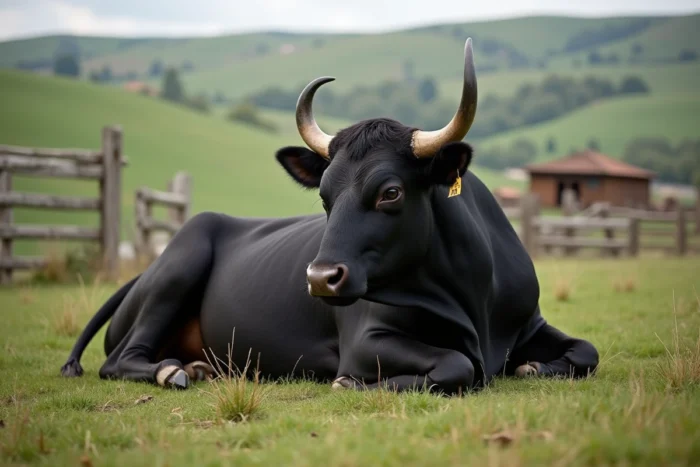
A figure: less than 1% of bulls survive the bullfight. The image of an animal celebrated, respected, and sometimes even spared floats in the collective imagination. The reality, however, is written in blood, pain, and a one-way ticket to the slaughterhouse, a thousand leagues away from tales of eternal honor.
The Spanish law, at first glance, allows for some leeway: in certain specific cases, an injured bull can be killed on the spot, but sometimes, the door remains ajar for future exploitation, whether for food or breeding. Yet, for almost all animals that face the arena, the path is marked: heading to the slaughterhouse, in a state of exhaustion and suffering that veterinarians continue to denounce. The injuries sustained in front of the public make transport and slaughter even more harrowing.
Some independent professionals have conducted investigations, revealing severe physical and psychological aftereffects in the very rare survivors. The fate reserved for each beast fluctuates according to local regulations, economic stakes, and the will of the organizers. This system, far from uplifting narratives, leaves little room for compassion or any form of rehabilitation.
What the bull really experiences during the bullfight: between tradition and suffering
The bullfight sparks endless debates. On the sand, the fighting bull born in a ganadería faces three ritual acts: tercio de varas, tercio de banderillas, tercio de muerte. These sequences, choreographed like sheet music, subject the animal to multiple injuries: the spear of the picador opens the dance, followed by the banderillas and then the thrust of the matador under the gaze of an audience caught between fervor and discomfort. The bravery of the toro is elevated to myth, while the pain of the animal remains silent.
Defenders of the discipline cite research by Professor Illera del Portal, supported by the Complutense University of Madrid, to assert that pain is absent in the bull during the lidia. This position is far from unanimous: Dr. José Enrique Zaldivar, a veterinarian, has methodically described the stress and anxiety reactions and the succession of traumas endured by the animals. Each of the three acts further deepens the exhaustion of the bull. The ultimate gesture of the matador, meant to bring death with a clean stroke, often fails to shorten the suffering.
In the stands, the tension is palpable. Each spectator, whether a supporter or an opponent, projects their convictions onto the spectacle. The statistics are indisputable: very few bulls emerge alive from the arena. The fate of bulls after the bullfight continues to fuel passionate discussions, revealing a ritual where tradition, violence, and moral questioning intersect.
What happens to the bull after the arena? Destinies, figures, and often unknown realities
The bullfight leaves little room for chance: for the overwhelming majority of fighting bulls, death occurs in the arena, under the blade of the matador or by a finishing gesture if the final blow is insufficient. The idea of a second chance is an absolute exception. Annual reports and testimonies converge: only a few individuals receive the “indulto”, this rare grace granted to animals that have shown extraordinary courage. These bulls return to the pastures and become breeders, perpetuating their lineage.
For all the others, the reality is more prosaic: heading to the slaughterhouse. Their meat, strictly controlled, feeds local restaurants or is transformed into charcuterie. The meat of the bull, valued for its strength and history, still bears the traces of the stress experienced during the fight. Some chefs present it as a specialty, but this valorization does not mask the brutality of the transition from the arena to the plate.
Some data helps to outline the diversity of possible outcomes:
- The number of spared bulls never exceeds a handful, among several hundred facing the arenas each season.
- A large part of the generation, not selected for the lidia, is also sent to the slaughterhouse without ever having set foot on the sand.
The fate of the bull after the bullfight remains largely absent from public discussions. The discourse on tradition or bravery obscures a chain where breeding, selection, and death follow one another, and where exiting the meat circuit remains extremely rare.
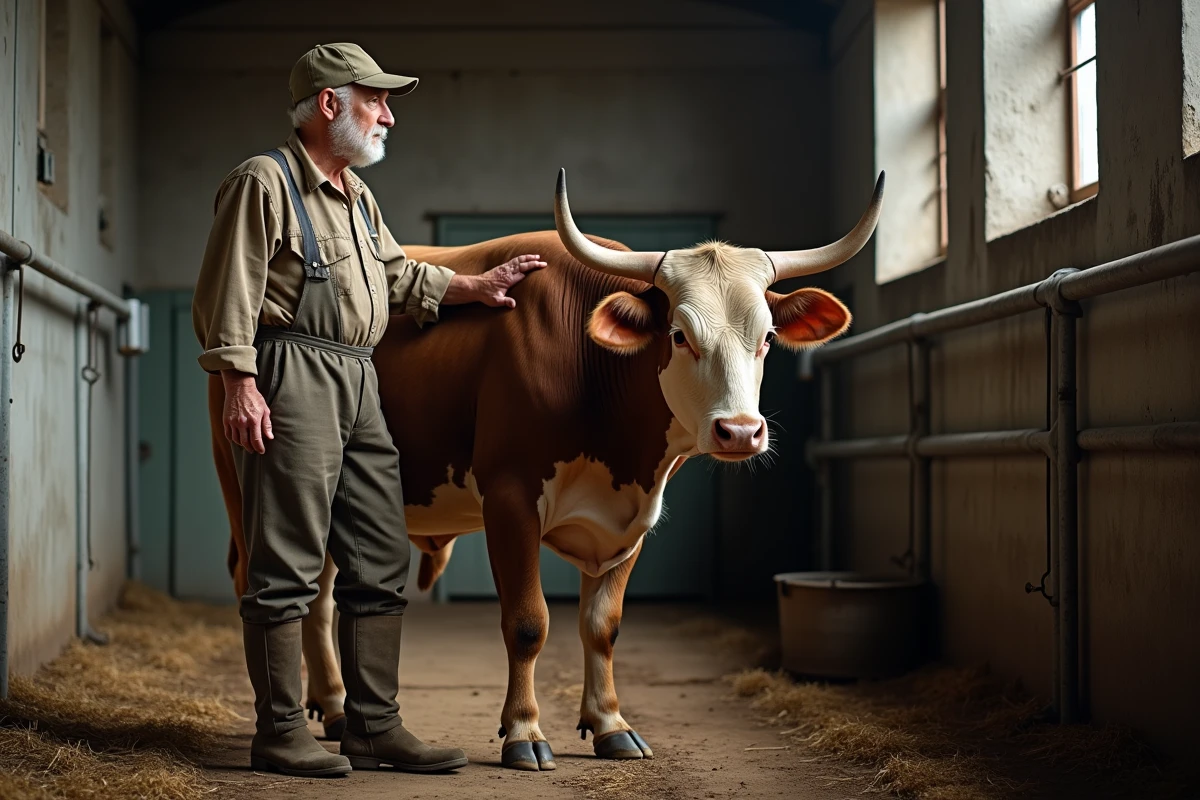
The bullfight facing ethical questions: why the debate does not weaken
The bullfight continues to provoke fierce controversies, whether in France or in other European countries where the spectacle endures. Public opinion is divided between supporters attached to tradition and opponents determined to make the voice of animals heard. This debate is rooted in a legal specificity: French legislation prohibits cruelty to animals but makes an exception for territories where the bullfight is part of the local heritage. The legal exception maintains the tension, with each new parliamentary session reigniting the question of its disappearance.
Organizations like Animal Cross or AVATMA multiply campaigns to highlight animal suffering, relying on veterinary studies and compelling figures. In contrast, breeders and aficionados defend bullfighting culture, its rural roots, and a centuries-old tradition. The divide is not limited to a fracture between urban and rural areas: it crosses generations, families, and institutions.
Public money often crystallizes tensions. Several local authorities, cities, departments, or regions still fund bullfighting shows, citing their economic and tourist impact. Conversely, some Spanish regions, such as Catalonia or the Canary Islands, have banned bullfighting, breaking with a historically entrenched practice. Other forms of bullfighting persist, such as Camargue races, encierros, and tourada, but the bullfight concentrates most of the debates about the place of the animal in our societies.
To better understand the complexity of the debate, several elements must be kept in mind:
- The law restricts bullfighting to a few areas, making a distinction between tradition and mistreatment.
- The associative mobilization remains intense, driven by the evolving perception of animals.
- The Constitutional Council has already been seized, without providing a definitive answer on the abolition of the spectacle.
The arenas have not finished spilling ink or dividing opinions. As long as the sand is trodden by bulls and men, the question will remain open, tense between past and present, between the shadow of sacrifice and the harsh light of ethical questioning.