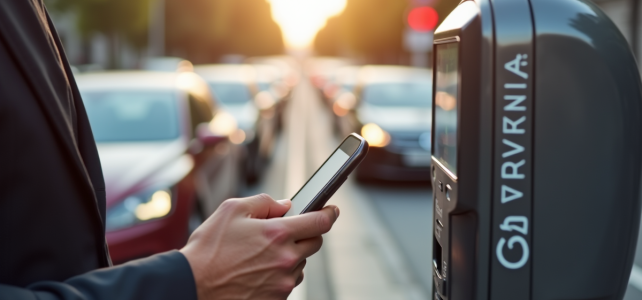
A crumpled ticket, an inflexible terminal: this is the silent duel that plays out every day in parking lots. The driver, five euros in hand, faces a cold reality: card or nothing. However, not everyone has the miracle app or the latest smartphone in their pocket. Innovation enthusiasts often forget those who still cling to their paper ticket or the discretion of a coin slipped into the slot.
At a time when contactless payments reign supreme and parking lots are transforming into digital fortresses, a portion of drivers continues to defend their territory. Between attachment to the simple gesture and a very real necessity, what solutions remain for those who refuse the all-digital approach?
Recommended read : Online Reading: What Risks for Manga Fans?
An overview of payment solutions still accessible to drivers
As contactless terminals multiply and electronic tolls encroach on the asphalt, paying differently sometimes feels like a treasure hunt. Yet, there are solutions still in place for drivers that hold strong, sometimes against the tide, across the entire territory. While credit cards are gradually becoming the norm in many urban parking lots, some infrastructures still rely on a variety of payment methods.
- Cash payments persist in most automatic payment machines in public parking lots or more modest stations. However, be cautious: limited hours, capped amounts, and machines that can be temperamental.
- At toll booths, it is often possible to pay in cash or by card. But the flow toll system is advancing rapidly: here, there are no barriers, the license plate is the proof, and payment is made afterward, either online or at partner locations.
- For fuel, the “French specificity” endures: there are still service stations accepting checks. A rarity elsewhere in Europe or the United States, but a real asset for some road professionals who value this flexibility.
The resistance doesn’t stop there: some terminals now offer contactless payment via mobile, but the presence of a human cashier always guarantees other options. The price of parking or the location of the vehicle makes all the difference: in rural areas, the range of choices remains broader than in cities, where dematerialization is accelerating.
Read also : Precision Cooking: Essential Conversions for Successful Recipes
What alternatives to prioritize based on your situation?
It all depends on the context. Each driver navigates their needs, habits, and terrain. When it comes to the purchase of a vehicle, several paths are available. Supporters of cash focus on simplicity: no monthly payments, no lengthy calculations, the car is theirs, period. Others prefer auto loans to spread the cost while retaining control of their car from day one.
Long-term rental (LLD) mainly attracts city dwellers and professionals: no maintenance to manage, the possibility to change vehicles regularly, and a certain administrative lightness. As for the purchase option (LOA), it appeals to those who want to test, adopt, and then buy when the arrangement suits them. In cities, these options respond to the rise of sharing and the desire to limit the weight of vehicles on the road.
- Medium-sized cities: LLD or LOA are well-suited for their flexibility, especially when rules are constantly evolving (ZFE, restrictions, new taxes).
- Large urban areas (Paris, Lyon, Bordeaux, Strasbourg, Grenoble, Rennes, Toulouse): focus on renting or purchasing hybrid or electric vehicles, perfectly suited for soft mobility and urban demands.
- Rural areas: cash purchases or auto loans remain reliable options, far from public transport networks and urban constraints.
The choice of payment or acquisition method always adjusts to the reality on the ground, the driver’s profile, and the regulatory climate. Each person must carve their own path, balancing pragmatism and freedom. Tomorrow, will slipping a coin or signing a check become a thing of folklore? Or will it remain, for a few die-hards, the true luxury of everyday life?