
A set of keys that disappears at dawn: that’s the kind of domestic mystery capable of derailing an entire morning. Frustration sets in, routine wavers, and time flies — a collateral victim of the grand ball of lost objects.
But the game is no longer as unbalanced as before. Technology has taken sides, and now, miniature trackers are joining us in our pockets, our bags, our lives. Every precious item suddenly becomes traceable, protected, almost invulnerable. The question remains: a superfluous gadget or a daily ally? The promise is tempting: living without the dread of losing your wallet or keys is more than comfort — it’s a luxury that changes the game.
Further reading : How to Easily Access the Student and Family Area via the IENT Platform
Losing everyday items: a puzzle finally solved?
Whether we’re talking about keys, wallets, bags, or even a laptop, losing a personal item always seems to happen at the worst moment. In the past, finding a missing accessory was almost like a magical ritual: methodical searches, promises of vigilance, and that little hope that luck would do the work. But the arrival of connected object trackers has reshuffled the cards. These compact, sturdy tags discreetly attach to everything that matters. A Bluetooth or GPS signal, and the hunt begins: the mobile app guides the user, meter by meter, to the elusive item.
In practical terms, the range of uses is broad:
Read also : How to Publish and Succeed with Online Ads: Practical Tips for Individuals
- Slip a tracker onto your keychain or into your wallet: the location instantly displays on your phone.
- Attach one to your pet’s collar: peace of mind returns for worried owners.
- Place one in a sports bag, a musical instrument, or a professional briefcase: the investment remains under watch, wherever it goes.
Manufacturers are pushing innovation even further. Some trackers offer a lost mode: any passerby equipped with the app invisibly aids the search. Smart alerts notify you if you forget a bag or a laptop while on the move. And for those concerned about privacy: encryption, adjustable permissions, and sharing options allow for a balance between utility and respect for personal privacy.
The service RabbitFinder is a perfect illustration. A true concentrate of efficiency, it puts the user at the center without sacrificing discretion. Now, misplacing your belongings is no longer a fatality: technology adapts to the diversity of needs, profiles, and transforms bad luck into a mere setback.
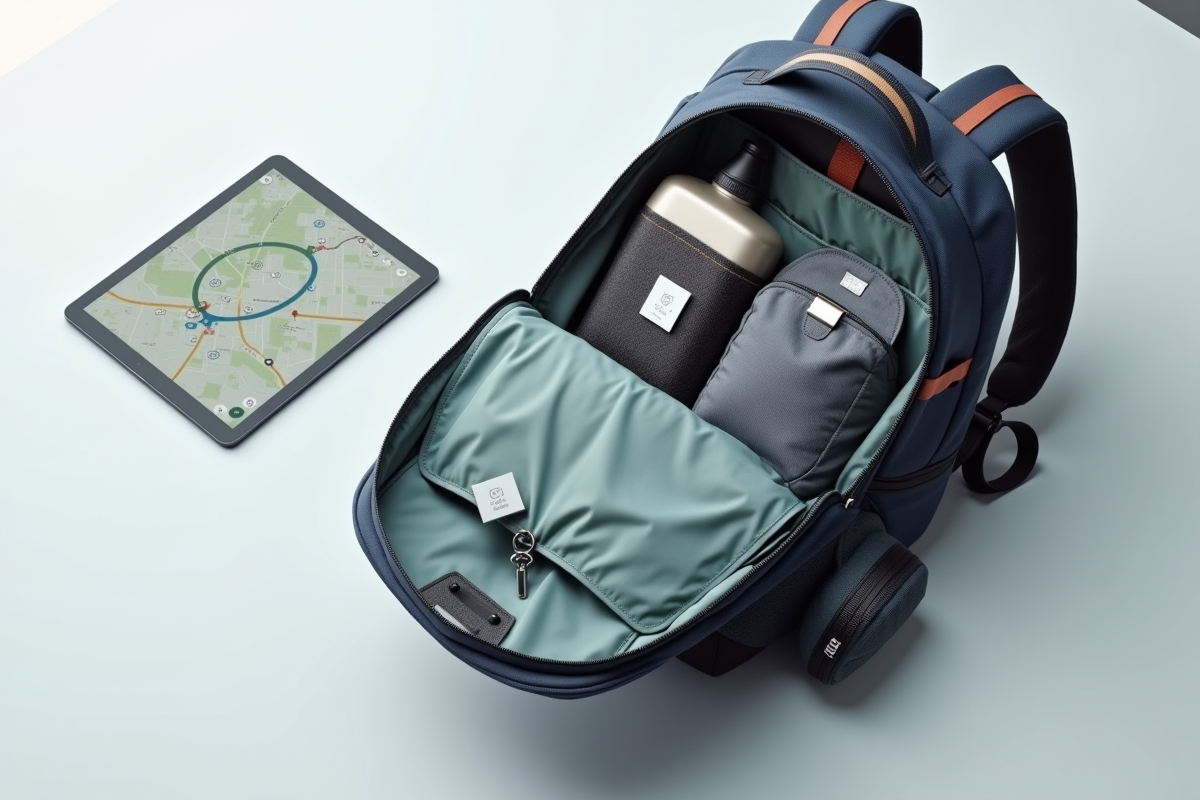
Smart geolocation: concrete solutions to stop losing things
Smart geolocation redefines the relationship with personal items. Gone are the desperate dances around the couch or the frantic rummaging through drawers to find lost keys. Connected object trackers rely on two technologies: Bluetooth for nearby location, GPS for tracking over long distances.
The uses are numerous:
- A connected keychain triggers an alarm on the smartphone, even if it remains in silent mode.
- A GPS tracker monitors a laptop or professional bag with each move, in real-time, thanks to a dedicated app.
- The lost mode activates the entire network of users to find an item that no longer responds to Bluetooth.
Integration into the digital ecosystem is now seamless: Android and iOS are covered, as are voice assistants — Google Assistant, Alexa, Siri. The apps offer personalized alerts, movement history, and the ability to share an item with a third party: management becomes collective or individual, depending on preference.
The battery varies by model: six months to two years of autonomy for Bluetooth tags, a few days for rechargeable GPS trackers. USB charging, replaceable batteries: each manufacturer offers its own pace and options.
Privacy is not overlooked. Data encryption, precise access management, remote wiping in case of theft: security is advancing. Premium plans unlock advanced features to support professional or family uses.
One day, perhaps, finding your belongings will no longer be a victory, but a mere formality. Until then, who knows how long it will take for objects to learn to stay put?