
A teenager, headphones firmly on his ears, devours the last chapter of his favorite manga in a matter of seconds, unaware that a simple keystroke could disrupt much more than his afternoon. The adventure doesn’t stop at the page: behind the screen, viruses lurking in the shadows, aggressive ads, and data traps await their moment. The hunt for the latest volume often becomes an obstacle course, where every click counts.
Where one thinks they are savoring a borderless narrative, the real enemies are sometimes neither monsters nor imaginary rivals. While online reading promises speed, it also presents some pitfalls for manga enthusiasts. At what hidden cost does immediate access come?
See also : Online Access to Public Services: What Benefits for Users?
Online Manga Reading: An Overview of Practices and Their Popularity
In France, online reading of manga has become a reflex for an entire ultra-connected generation. Virtual shelves are overflowing, and the offerings are renewing at lightning speed: this is enough to entice readers in search of new stories and instant discoveries. Online manga reading has never been more tempting, disrupting habits and codes of the French manga market.
Legal platforms – supported by publishers and rights holders in France – have managed to establish digital manga as a credible alternative to print. Now, flagship titles like One Piece, Jujutsu Kaisen, or My Hero Academia can be read as soon as they are released in Japan, electrifying fans for whom waiting is no longer an option. This vitality nourishes the entire sector.
Related reading : Why AllRugby Has Become an Essential Reference for Rugby Fans
- In 2023, manga accounted for nearly half of comic book sales in France, confirming an unwavering passion.
- Online reading platforms offer subscriptions or pay-per-unit purchases, cutting the ground from under scanlation sites and providing a legal, simple, and immediate solution.
- While digital manga appeals due to its practicality, many remain attached to the print version, a cherished object and library companion.
But alongside this official growth, other circuits are thriving. The allure of free access and the rush to get the latest chapter push some to cross the line. Unofficial platforms, like Crunchyscan, fuel the controversy over respect for intellectual property and copyright. The battle rages on: ensuring quick access while respecting the work of creators is the dilemma reshaping the manga industry in France.
What Real Dangers for Fans: Piracy, Security, and Legal Issues
Manga piracy is spreading across the web, driven by a plethora of scanlation sites and pirate platforms that covertly distribute recent works. Behind the screen, risks lurk for readers, often underestimated.
- In terms of copyright, the intellectual property code leaves no room for ambiguity: unauthorized distribution or access exposes one to civil and criminal prosecution.
- Pirate aggregators rake in profits at the expense of authors, depriving the legal sector of vital resources for creating new stories.
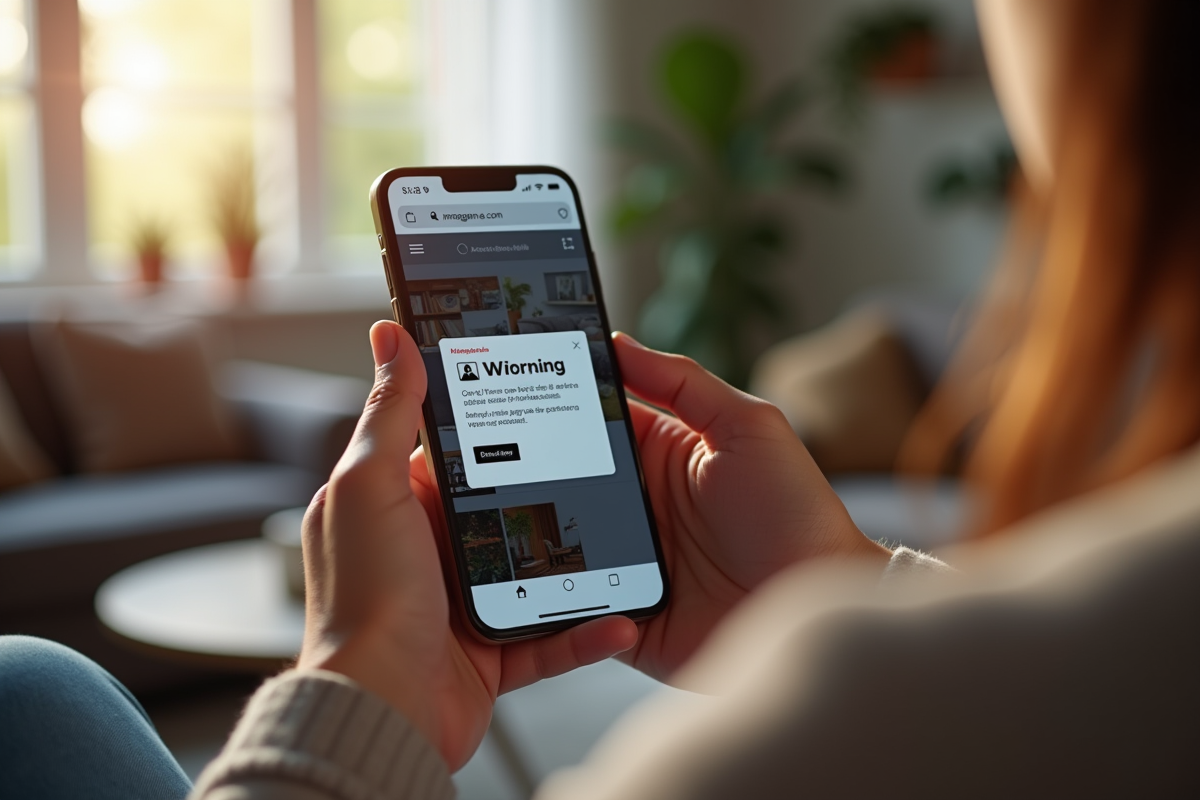
Digital security is also a concern. Navigating these sites can sometimes feel like walking through a minefield: intrusive ads, malware, rampant collection of personal data… Free access often comes with a hidden price.
Another point of concern: parental control. Many scanlation sites remain open to all, without age filters, exposing younger audiences to inappropriate content. Parents and educators must stay vigilant, as danger never announces itself.
In response to the rise of piracy, countermeasures are being organized. Rights holders and organizations like HADOPI are ramping up efforts to defend intellectual property and emphasize the importance of legal digital usage. Raising awareness, informing, protecting: the battle for respected and secure manga has only just begun.