
The generational gap has never been so stark, stretching full screen between two frantic scrolls. In 2023, we already imagined a frozen landscape; a few months later, reality proves to be quite different. Some platforms, far from the predicted exhaustion, continue to grow by millions of users. In the face of the reign of short formats, a counter-movement is also taking shape: a determined minority resists superficiality, demands more than just zapping, and seeks dialogue and reflection in the digital noise.
On the brand side, the race for flashy innovation is slowing down. What matters now are strong, long-lasting connections. Facebook, Instagram, and TikTok are no longer resting on their laurels: the competition is intensifying, and the benchmarks shatter as soon as a new trend disrupts established codes. Creativity shapes an uncertain climate every day where no giant is unshakeable.
Where are social networks in 2025? Key figures to remember
Nearly 6 billion users connected worldwide, representing 73% of the global population: this figure seemed unreal ten years ago. Yet, it now stands as a fact. In France, the phenomenon shows no signs of slowing down: 54 million accounts, equivalent to 81% of the country’s inhabitants. But this tidal wave does not erase generational fractures; on the contrary, the gap widens, usage diverges, and each age group displays a different relationship with the digital world.
To understand how these differences manifest, one only needs to look at recent adoption rates:
- Among 18-24 year-olds, 97% have adopted at least one platform and spend more than thirteen hours a week posting, scrolling, and commenting.
- Among 13-17 year-olds and 25-34 year-olds, 93% are active.
- After 35, the curve slows significantly: 87% for 35-44 year-olds, 75% for 45-54 year-olds, 64% for those aged 55-64, and only 44% for those aged 65 and over.
There’s no question of dropping out, judging by the numbers. Facebook holds strong with nearly 3.1 billion users. Instagram is nearing 3 billion. WhatsApp continues its steady growth. As for TikTok, the rise remains staggering: over 2 billion accounts worldwide, including 21 million in France. YouTube manages to bring together all ages around its videos, without distinction.
Screen time is exploding: an average of two hours is spent daily on social networks by the French. All indicators, from user volumes to generational dynamics, are detailed on the page social media usage statistics 2025.
Which platforms dominate and how are usage patterns evolving?
The center of gravity is changing rapidly. Among 13-17 year-olds, TikTok crushes the competition: 86% use it daily, whether to post, watch, or react. For 18-24 year-olds, Instagram leads the way with 91% daily users, and maintains a strong dynamic among 25-34 year-olds (84%). After thirty, Facebook comes back into the spotlight: 79% of 35-44 year-olds still use it, and this rate reaches 91% among those over 65. Nothing is set in stone; each year disrupts the hierarchy.
Certain behaviors are clearly emerging on these networks:
- Rise of short formats: TikTok, Instagram Reels, YouTube Shorts. More than seven out of ten prefer stories and quick videos to consume in bursts.
- Demand for raw content: fewer filters, more spontaneity. Internet users crave authenticity, humanity, far from meticulously staged presentations.
- Commerce driven by recommendations: Generation Z listens to its influencers. Instagram Shopping, TikTok Shop, live presentation videos: buying becomes as social as sharing.
- AI becomes essential: tailored recommendations, on-the-fly generated videos, ultra-targeted ads. Artificial intelligence shapes our feeds at every moment.
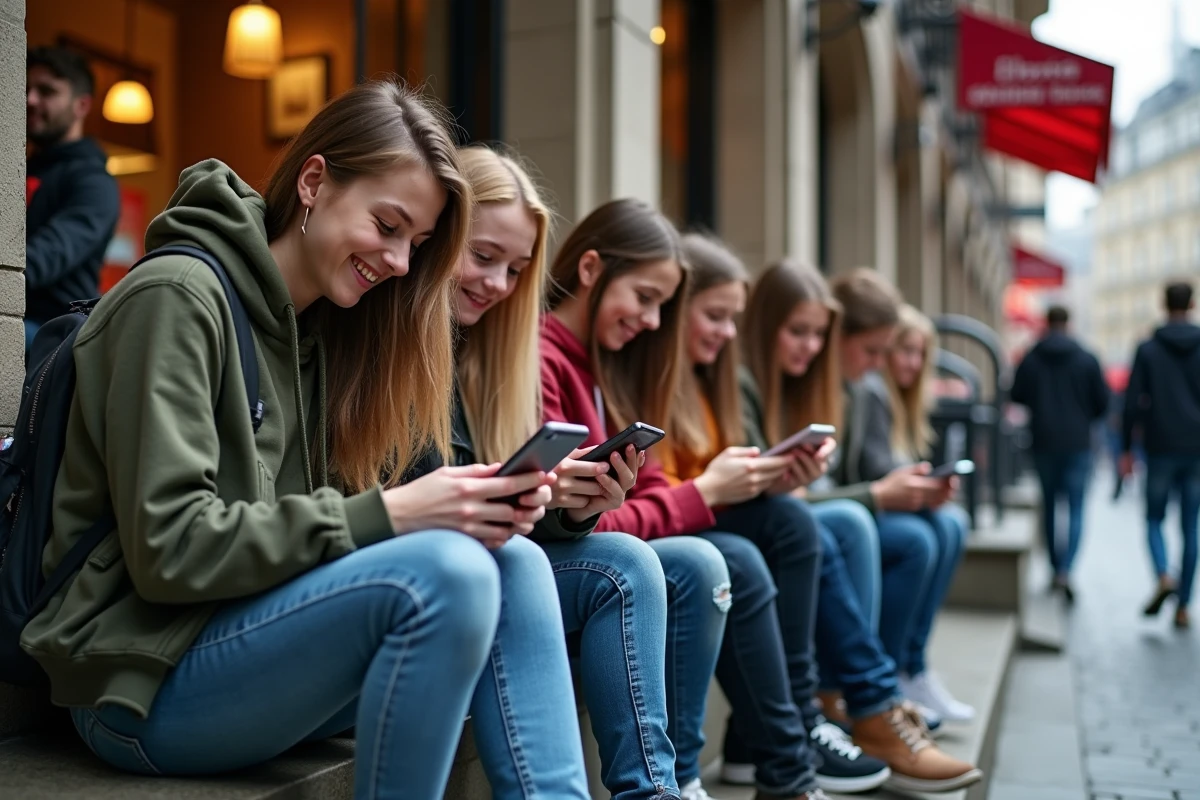
Infographics and analyses: what trends reveal for the coming year
Médiamétrie and France générosités confirm: the user expects to be understood, guided without having to speak. The era is one of fluid interfaces, personalized suggestions, and refined dialogue. Video, ephemeral yet viral, captures all attention and imposes its rhythm: instant shares, immediate reactions, express content designed for immediacy.
The new GDPR and DSA regulations are reshuffling the deck: data protection is no longer negotiable. Brands and creators must play fair: transparency, clarity on usage, reinforced rules. This demand now weighs heavily on trust, conditioning any sustainable digital strategy.
To identify the true directions of the sector, four key axes stand out:
- Ultra-precise algorithms: every click, every preference, every interaction improves the recommendations offered.
- Sought-after sincerity: a place for credible humanity, absence of embellishment, direct discourse over polished displays.
- Collaborative and dynamic formats: live sessions bringing together communities and creators, videos written with multiple fingers, live reactions guiding debates.
- Security and data control: rigorous traceability, proven storage, governance compliant with European requirements: the environment is changing its face.
Every day brings its dose of novelties and uncertainties. Platforms vie for our attention, the audience imposes its norms, and the industry adapts to the tempo. In this shifting game, one thing remains: the collective energy to invent what no one has yet anticipated.