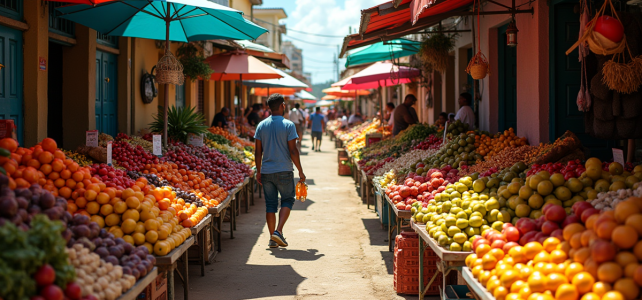
Nestled in the heart of the Caribbean, Guadeloupe is an archipelago with many facets. Composed of several islands, the main ones being Basse-Terre and Grande-Terre, it offers impressive geographical diversity, ranging from white sandy beaches to lush mountains. This natural wealth is complemented by a vibrant cultural heritage.
Guadeloupean culture, a product of a historical blend of African, European, and Amerindian influences, is expressed in the cuisine, music, and local traditions. Gwo-ka, traditional music, and the carnival are vivid examples of this unique cultural mix, making Guadeloupe a true gem of the Caribbean.
You may also like : Discover our review of Magnifaïk and the best retailers to know
Geography and landscapes of Guadeloupe
Located in the Caribbean Sea, Guadeloupe is divided into several major islands, each offering varied and enchanting landscapes. Basse-Terre, the main island, is home to the famous Soufrière volcano, rising to 1,467 meters. This active volcano is surrounded by a dense tropical forest that is part of the Guadeloupe National Park. This natural reserve protects exceptional biodiversity, with endemic flora and fauna.
Grande-Terre, the twin sister of Basse-Terre, is distinguished by its white sandy beaches and turquoise lagoons. The contrast between these two territories is striking:
Related reading : Login and Troubleshooting: The Challenges of Institutional Web Tools
- Basse-Terre is mountainous and lush
- Grande-Terre offers arid plains and coastlines lined with coral reefs
Pointe-à-Pitre, the largest city, is located on Grande-Terre and serves as a dynamic economic and cultural center.
The rest of the archipelago includes the islands of Marie-Galante, La Désirade, and Les Saintes. Each of these islands has its own charms.
- Marie-Galante, often nicknamed “the island of a hundred mills,” is renowned for its rum distilleries and idyllic beaches
- La Désirade, more isolated, is a true haven of peace with wild landscapes
- Les Saintes, finally, offer breathtaking panoramas and undeniable cultural richness
To visualize this geographical richness, the world map of Guadeloupe allows one to locate this archipelago in its global context. This map highlights the geographical diversity and the particularities of each island, illustrating the uniqueness of Guadeloupe within the Caribbean.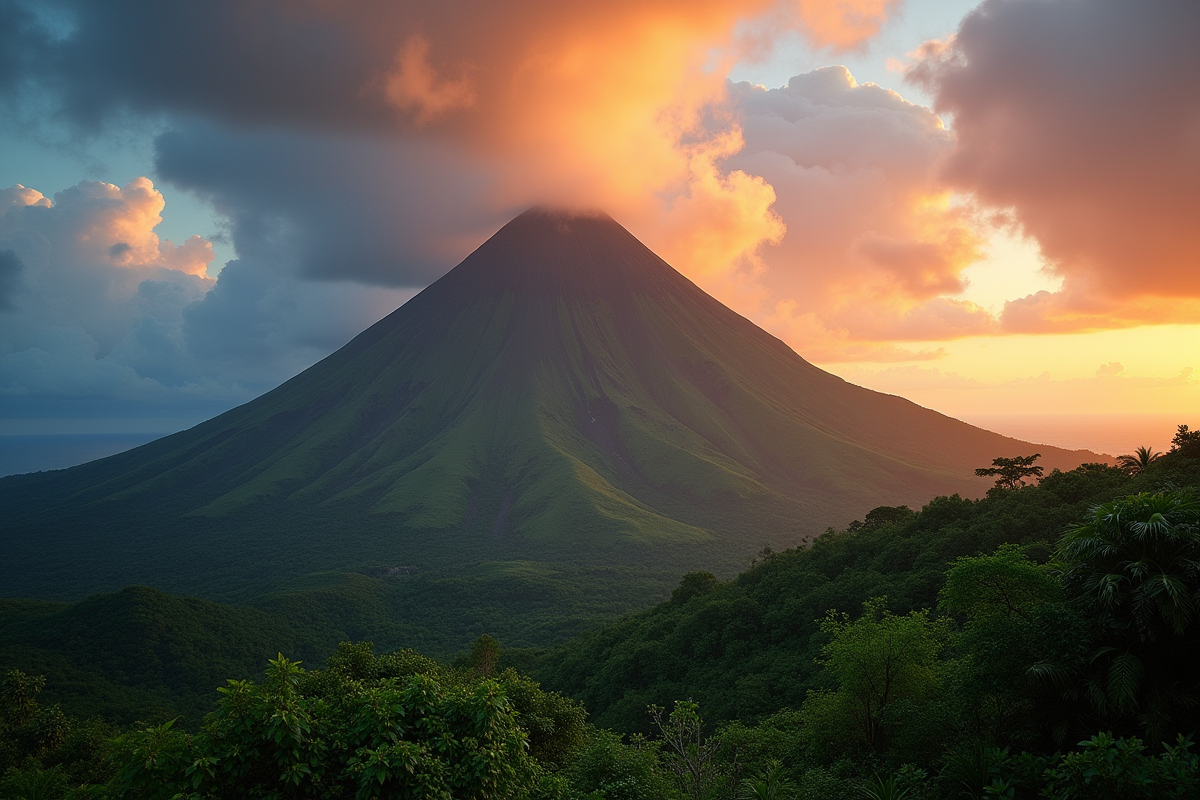
Cultural heritage and traditions
Guadeloupe, a territory rich in history and blending, derives its identity from various influences. Discovered by Christopher Columbus in 1493, it was inhabited by the Arawaks and the Carib Indians before being colonized by the Spanish, French, and English. This succession of colonizations has shaped a unique culture, where African, Indian, and European heritages intertwine.
This cultural blending is reflected in the Creole cuisine, a true symbol of the island. Traditional dishes combine fish and seafood with local spices and herbs. Rum, the island’s flagship product, often accompanies these dishes, as do fresh fruit juices made from the rich local produce.
Cultural events punctuate Guadeloupean life. The Guadeloupe Carnival, celebrated with fervor, is an opportunity for colorful parades and lively dances. The famous Route du Rhum attracts sailors from around the world each year, adding a sporting dimension to the island’s cultural heritage.
Musically, Guadeloupe is the birthplace of genres such as gwoka, zouk, and biguine. These music styles, rhythms of daily life, reflect the diversity and richness of local culture. Traditional songs and dances, often accompanied by percussion, are essential elements of festivities and ceremonies, illustrating the dynamism and friendliness of the Guadeloupean population.